What Are Freeze/Thaw Trail Conditions?
If you ride in Sioux Falls, you’ve likely heard about “freeze/thaw” and seen trails close because of it. It can be frustrating—but there’s a good reason behind it. Understanding freeze/thaw conditions helps protect the trails we all enjoy and reduces the amount of repair work needed each season.
What Does Freeze/Thaw Mean?
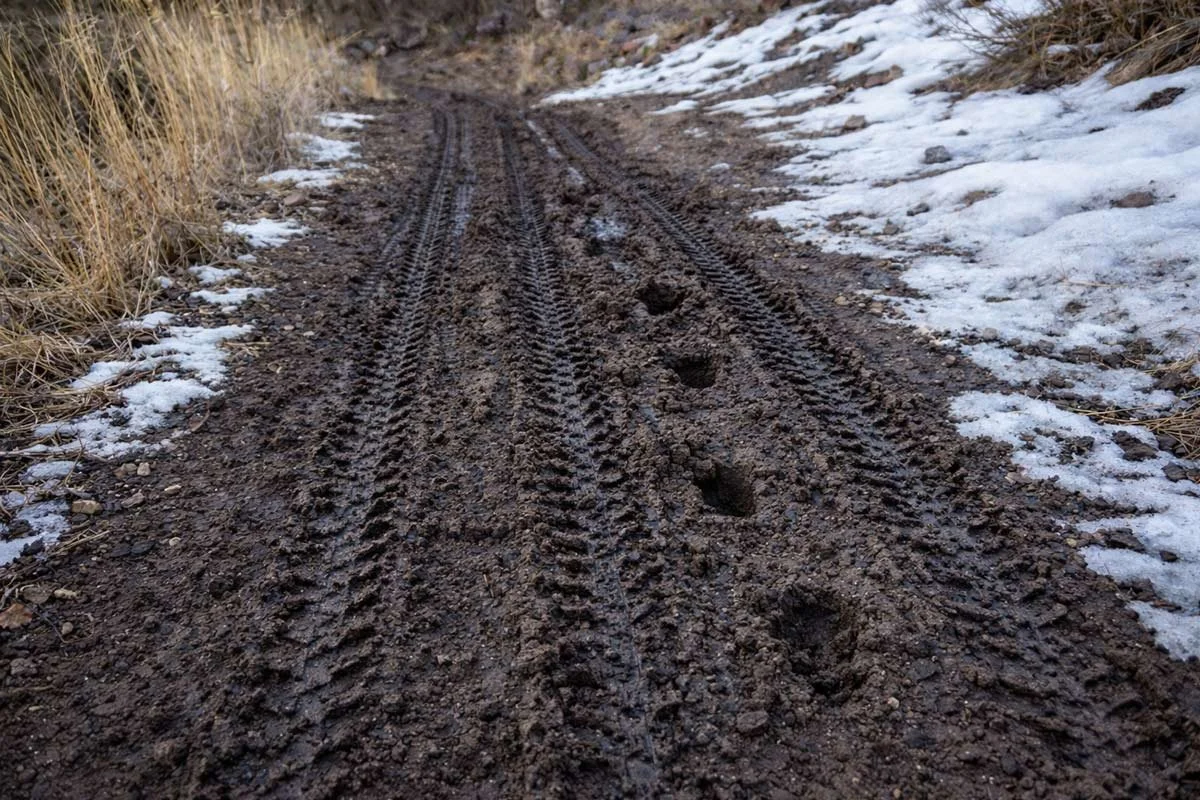
Freeze/thaw cycles happen in late fall, winter, and early spring when temperatures hover around freezing. Overnight, moisture in the soil freezes, making the trail surface feel solid. But once daytime temps climb above 32°F, that frozen moisture melts. The top layer of dirt turns soft and muddy while the ground underneath may still be frozen.
That repeated freezing and melting creates unstable trail conditions that are highly vulnerable to damage.
Why Riding During Freeze/Thaw Hurts Trails
Ruts That Stick Around
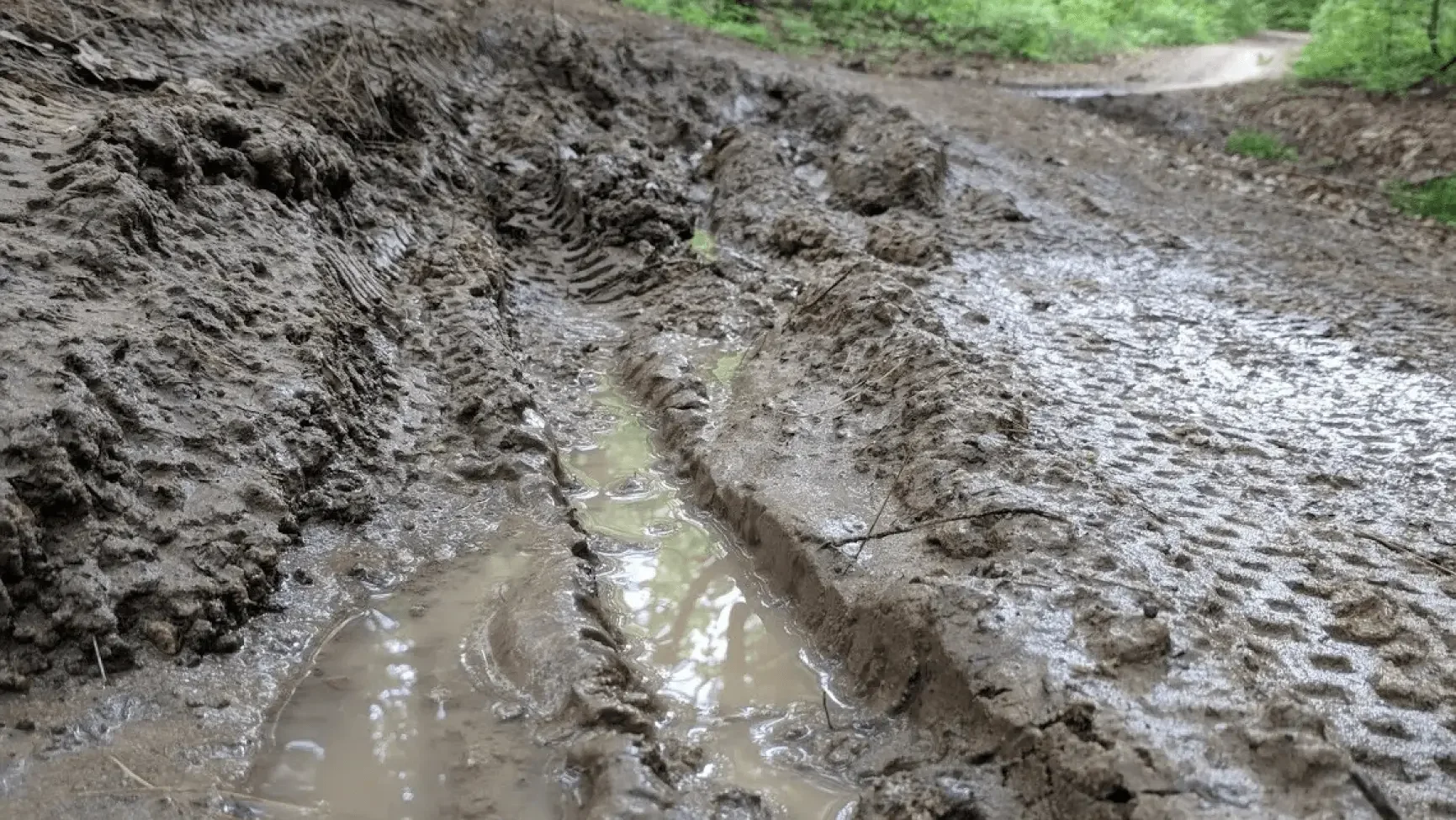
Soft soil can’t support tire pressure. Riding through it leaves deep ruts that harden when temperatures drop again. Those ruts don’t just disappear—they create uneven riding surfaces and funnel water down the trail, which leads to more erosion.
Accelerated Erosion
When soil is wet, it moves easily. Tires displace dirt, break down the trail tread, and make trails slower to dry. The result? More maintenance and more volunteer hours are needed for repairs.
Trail Widening
When riders go around mud, trails grow wider. That damages surrounding vegetation, affects natural habitats, and weakens the sustainability of the trail corridor.
How to Tell If It’s Too Wet to Ride
A few quick checks can save a lot of trail wear:
Watch the temps: If it’s above freezing after a cold night, trails are likely thawing.
Do the shoe test: If dirt sticks to your shoes or tires, it’s too wet.
Check trail updates: Follow FAST and local trail reports before heading out.
Smarter Options During Thaw Periods
If trails are soft, consider:
Riding early only if the ground is fully frozen
Choosing gravel roads or paved paths
Waiting it out—sometimes a day or two makes a big difference
FAST works hard to protect, build, and maintain quality trail experiences in the Sioux Falls area. One of the easiest ways to support that work is by staying off trails when they’re vulnerable.
A little patience during freeze/thaw season helps keep trails smoother, safer, and more sustainable all year long. Every responsible choice adds up—and keeps our trail system strong for everyone who rides it.